





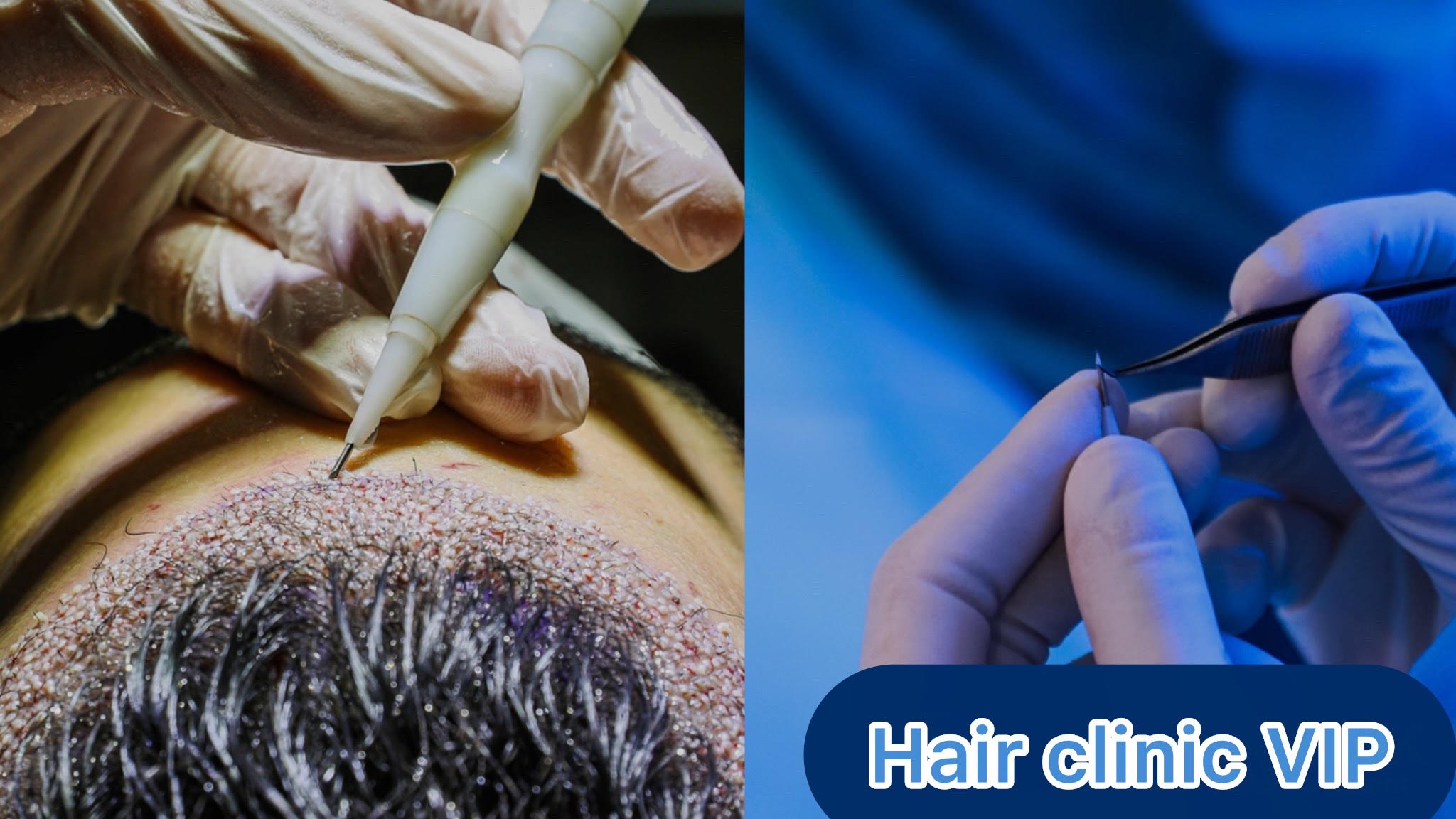
Latest Scientific Findings on Hair Transplant Success in 2026
Choosing the Right Candidate
One
of the most important findings of recent studies is that not everyone
experiencing hair loss is an ideal candidate for a hair transplant. A thorough
medical evaluation should include the cause of hair loss, donor hair density,
scalp condition, age, general health, and the patient's expectations.
Proper
patient selection allows surgeons to recommend the most suitable treatment plan
and maximize the likelihood of a successful outcome.
Donor Area Management
The
donor area is the foundation of every successful hair transplant. Scientific
evidence suggests that overharvesting can reduce donor density and limit future
treatment options.
Modern
FUE techniques focus on extracting follicular units evenly while preserving the
natural appearance of the donor area. This strategy not only improves immediate
results but also protects the patient's long-term hair restoration
possibilities.
Surgeon Experience Matters
Technology
alone cannot guarantee excellent results. The latest research confirms that the
surgeon's experience remains one of the most important predictors of success.
Creating
a natural hairline, selecting the correct implantation angle, maintaining
appropriate graft density, and placing each follicle according to natural hair
growth patterns are essential for achieving aesthetically pleasing outcomes.
Graft Preservation Is Critical
One
of the key recommendations from the 2026 review is minimizing the time grafts
remain outside the body.
Proper
storage solutions, careful handling, temperature control, and rapid
implantation significantly improve graft survival and increase the percentage
of transplanted follicles that continue to grow after surgery.
Post-Operative Care
The
surgery itself is only one part of the treatment process.
Patients
who carefully follow post-operative instructions—including proper washing
techniques, medication schedules, avoiding strenuous physical activity, and
attending follow-up appointments—generally experience faster healing and better
hair growth.
Emerging Innovations in Hair Transplantation
Researchers
continue to explore new technologies that may further improve hair transplant
outcomes.
Among
the most promising developments are:
- Long-Hair FUE
- Exosome therapy
- Regenerative medicine
- Stem cell-based treatments
- AI-assisted hairline planning
- Advanced graft preservation
techniques
Although
several of these innovations are still under clinical evaluation, they
represent the future of hair restoration.
Why Choosing the Right Clinic Matters
Recent
scientific evidence consistently demonstrates that successful hair
transplantation depends on a combination of medical expertise, advanced
technology, and standardized clinical protocols.
Hair
Clinic VIP In Dubai is a specialized hair restoration center
offering advanced FUE and DHI hair transplant procedures,
personalized hairline design, comprehensive patient assessment, and structured
post-operative care. By following internationally recognized treatment
protocols and using modern surgical equipment, the clinic aims to deliver
natural-looking and long-lasting results tailored to each patient's individual
needs.
Conclusion
The
latest scientific research confirms that successful hair transplantation is
influenced by multiple factors—not just the surgical technique itself. Careful
patient selection, donor area preservation, experienced surgeons, proper graft
handling, and consistent post-operative care all contribute to achieving
optimal outcomes.
For
individuals considering hair restoration, choosing an experienced clinic that follows
evidence-based medical protocols is one of the most important decisions in the
treatment journey.
Request Consultation
There are many books written about the past, present, and future that require extensive knowledge from specialists to better understand the software.